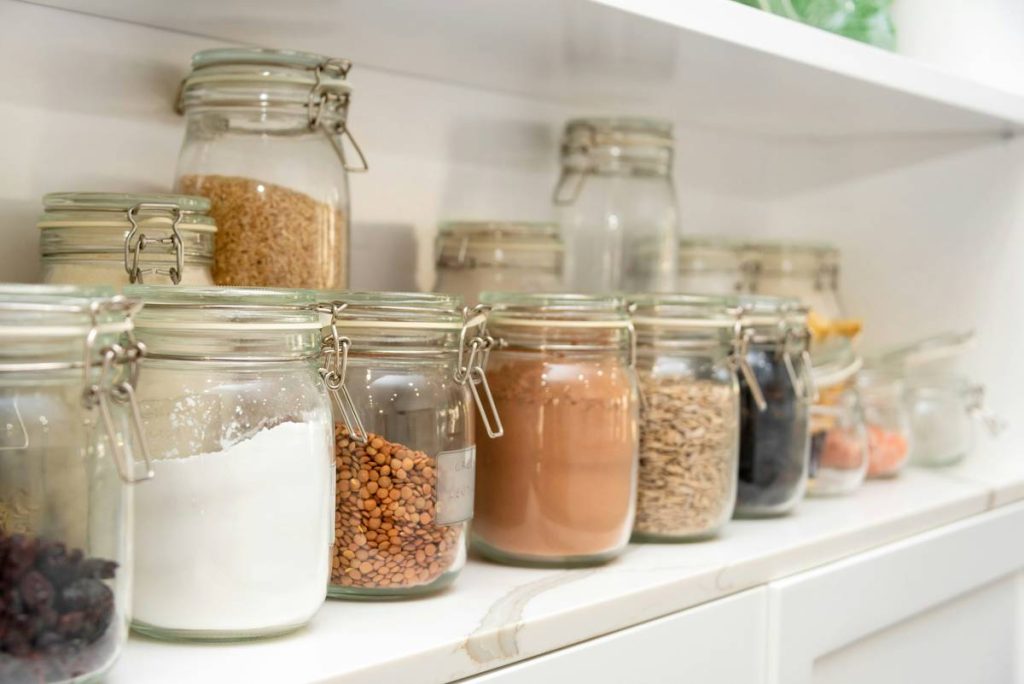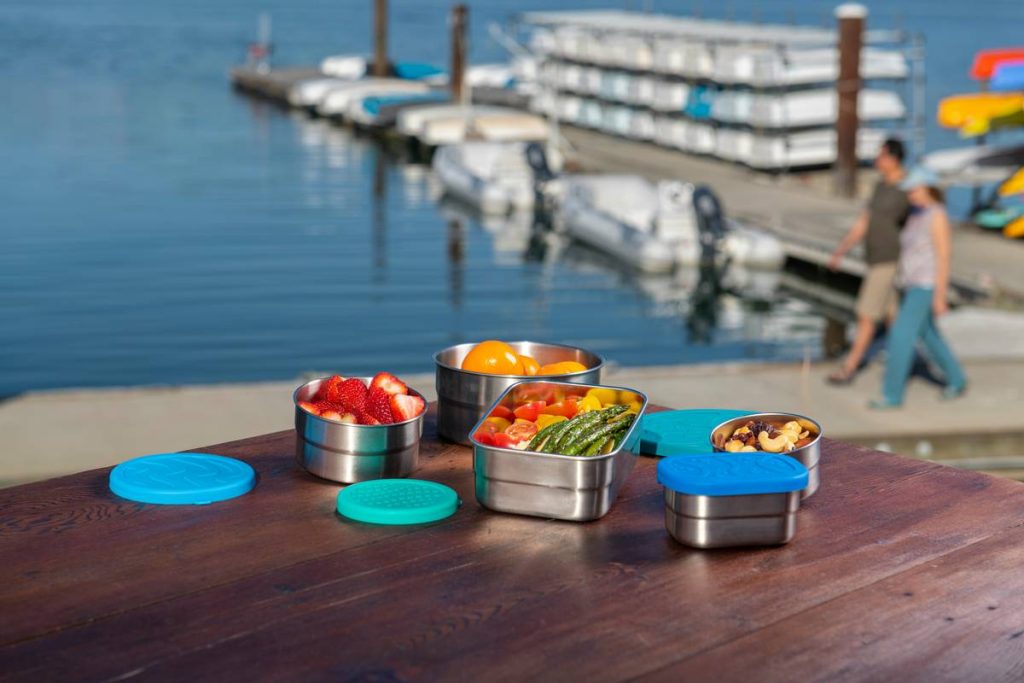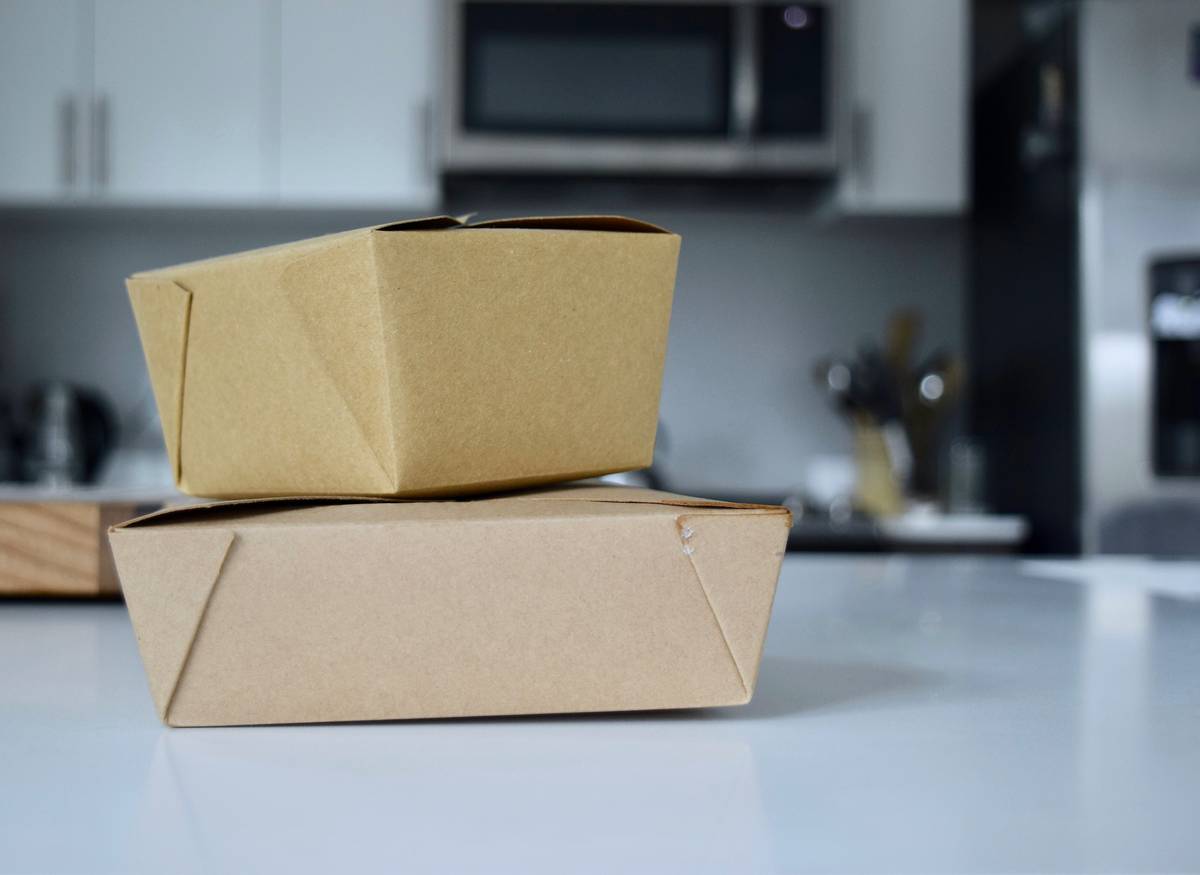
Ever opened your fridge only to find last night’s leftovers swimming in a puddle of mystery liquid because your “eco-friendly” container leaked like a sieve? You’re not alone. As more of us ditch plastic for planet-friendly alternatives, choosing the right storage solution has never been more critical—or confusing. In this guide, we cut through the greenwashing noise to spotlight silicone food storage bags as a smart, sustainable upgrade. You’ll learn exactly how to pick, use, and maintain eco friendly containers for food that actually work—plus avoid the rookie errors I made (yes, I once melted a $25 bag trying to microwave it with the seal still closed).
Table of Contents
- Why Eco-Friendly Food Storage Matters
- How to Choose and Use Silicone Bags Like a Pro
- Best Practices for Long-Lasting Storage
- Real Results from Switching
- Frequently Asked Questions
Key Takeaways
- Silicone food storage bags are reusable, non-toxic, and can replace hundreds of single-use plastic bags.
- Not all “eco” containers are created equal—avoid PVC or poorly sealed options.
- Proper cleaning and drying prevent odors and extend lifespan significantly.
- Using eco friendly containers for food correctly reduces kitchen waste and saves money long-term.
Why Eco-Friendly Food Storage Matters
The average American household throws away nearly 300 pounds of plastic packaging annually—much of it from food storage, according to the U.S. Environmental Protection Agency. While recycling sounds ideal, only about 5% of plastic film (like zip-top bags) actually gets recycled nationwide. That’s where reusable alternatives like silicone bags enter the picture.
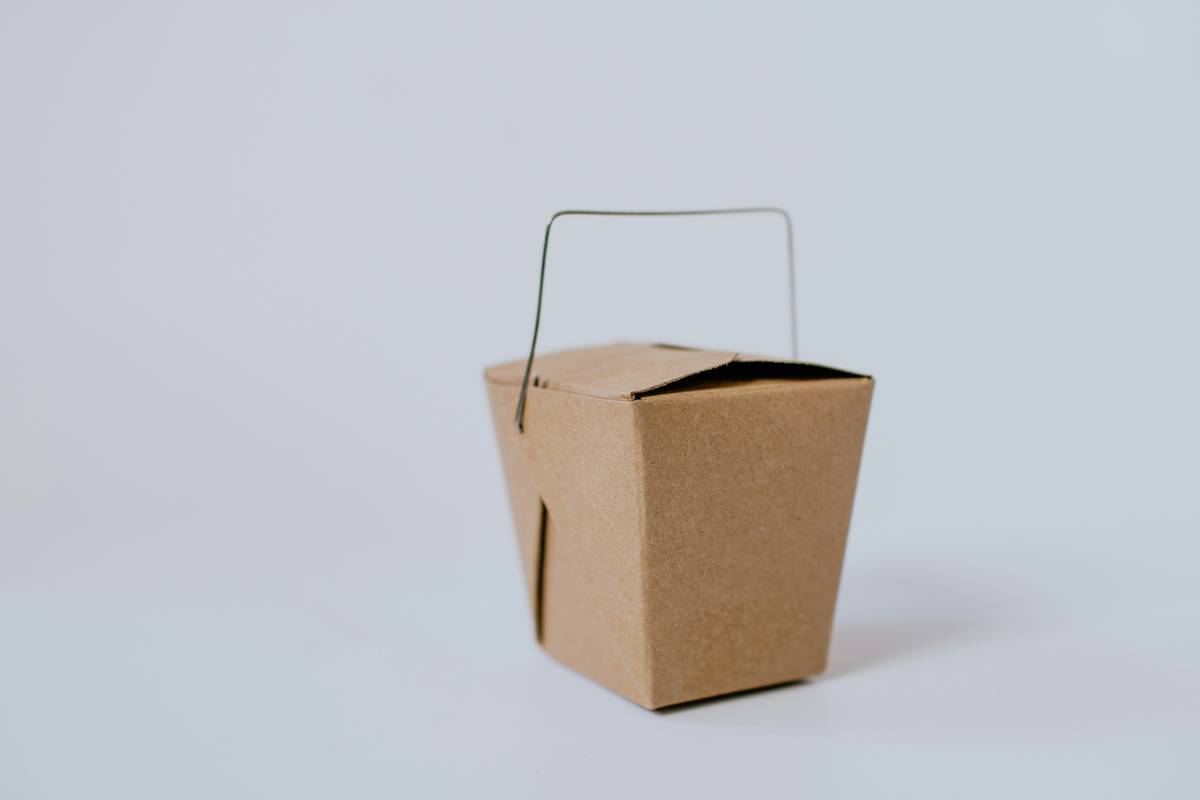
I’ll admit—I jumped on the reusable bandwagon too fast during my first zero-waste attempt. I bought a set of colorful “eco” pouches labeled “BPA-free,” only to discover they were made of low-grade vinyl that cracked after two washes. Lesson learned: true sustainability means durability and safety. High-quality silicone bags, by contrast, are inert, heat-resistant (most handle -40°F to 400°F), and free from endocrine-disrupting chemicals—making them among the safest eco friendly containers for food available today.
How to Choose and Use Silicone Bags Like a Pro
Pick Food-Grade Platinum-Cured Silicone
Not all silicone is equal. Look for “platinum-cured” on the label—it’s purer, more durable, and doesn’t leach odors. Avoid “peroxide-cured” variants; they often retain smells and degrade faster.
Check the Seal Mechanism
A sturdy, double-lock zipper or press-and-seal closure is non-negotiable. I once lost an entire batch of homemade pesto because a flimsy snap seal popped open in my freezer. Don’t repeat my mistake.
Use Them Beyond the Fridge
These bags aren’t just for leftovers. They’re oven-safe (without the lid), great for sous vide cooking, and perfect for marinating meats—no more plastic wrap spills in your sink.
Best Practices for Long-Lasting Storage
- Hand-wash when possible. Dishwashers can warp seals over time. Use warm soapy water and a bottle brush for corners.
- Dry completely before sealing. Trapped moisture breeds bacteria and funky smells. Prop them open on a drying rack overnight.
- Don’t overfill. Leave at least an inch of space below the seal for liquids and expansion during freezing.
- Avoid sharp utensils inside. Even silicone can puncture if you stab it with a fork mid-stir.
And here’s a terrible tip I’ve heard (but never follow): “Just toss them in the microwave with the seal shut to steam veggies.” Bad idea! Pressure builds up fast—always leave the top slightly open or remove the seal entirely.
Real Results from Switching
After switching to platinum silicone bags full-time, my household eliminated over 400 single-use plastic bags in one year. According to a 2023 study published in Environmental Science & Technology, reusable silicone containers need just 15 uses to offset their environmental footprint compared to disposable plastic—a threshold easily surpassed by most families within weeks.
Beyond waste reduction, there’s a financial win. Quality silicone bags cost $8–$15 each but last 3–5 years with proper care. Contrast that with spending $100+ annually on disposable bags—and dealing with constant leaks. At TRMares, we’ve documented similar savings across user surveys (see our About Us page for our mission behind these insights).
Frequently Asked Questions
Are silicone food storage bags truly eco-friendly?
Yes—if they’re platinum-cured and used repeatedly. Their production has a higher initial footprint than plastic, but their longevity makes them far greener over time.
Can I freeze soup in eco friendly containers for food made of silicone?
Absolutely. Most high-quality silicone bags are freezer-safe. Just leave headspace for expansion and lay them flat to freeze for easy stacking.
Do they retain odors from strong foods like garlic or curry?
Rarely, if cleaned properly. Soak in baking soda + water for 30 minutes if odors persist. Avoid storing oily foods for extended periods without washing promptly.
Where can I buy trustworthy eco friendly containers for food?
Look for brands certified by third parties like FDA, LFGB, or SCS Global. Always check material disclosure—transparency matters.
Conclusion
Making the switch to reliable eco friendly containers for food isn’t just about saving the planet—it’s about simplifying your kitchen routine, cutting costs, and avoiding messy failures. With smart choices and a few best practices, silicone bags deliver on their promise: durable, safe, and genuinely sustainable. Ready to upgrade your kitchen arsenal? We’d love to hear your experience—contact us anytime. And don’t worry—we won’t spam you. Our Privacy Policy guarantees that.
Remember: Sustainability isn’t about perfection. It’s about better choices, repeated daily—one leak-proof bag at a time.