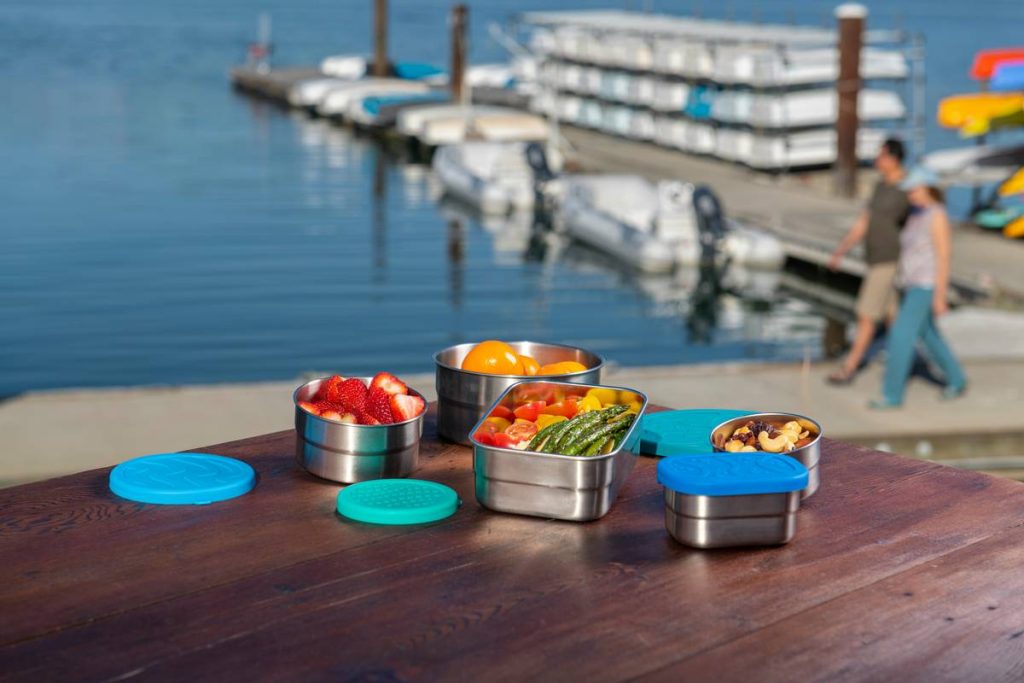
If your kitchen drawers are bursting with mismatched plastic tubs, cracked lids, and mystery stains that refuse to scrub out—welcome to the club. I once ruined an entire batch of homemade pesto because my “reusable” container leached a chemical after just three uses. That moment sparked my deep dive into truly sustainable alternatives. Today, I’m sharing hard-won lessons about eco home food containers, especially silicone food storage bags—the unsung heroes of the zero-waste kitchen.
Table of Contents
- Why Eco Home Food Containers Matter
- How to Switch to Silicone Storage Bags
- Best Practices for Long-Lasting Use
- Real Results from Real Kitchens
- Frequently Asked Questions
Key Takeaways
- Silicone food storage bags drastically cut single-use plastic waste without compromising food safety.
- Not all “eco” containers are created equal—avoid PVC-lined or non-certified products.
- Proper cleaning and drying extend lifespan by years, not months.
- According to the EPA, Americans generate over 14 million tons of plastic containers annually—switching even one item helps.
Why Eco Home Food Containers Matter
The average household throws away hundreds of plastic bags and containers yearly. Many end up in oceans or landfills, where they take centuries to decompose. Worse, some “BPA-free” plastics still contain endocrine disruptors like phthalates. Enter food-grade silicone—a flexible, non-toxic, and endlessly reusable material approved by the FDA for repeated food contact.
I made the rookie mistake of buying cheap, unbranded silicone bags from an online marketplace. After two weeks, they developed an oily residue I couldn’t wash off. Lesson learned: always check for LFGB or FDA certification. Trusted brands invest in rigorous testing—something you can verify via their About Us page if they’re transparent like TRMares.
How to Switch to Silicone Storage Bags
Step 1: Audit Your Current Storage System
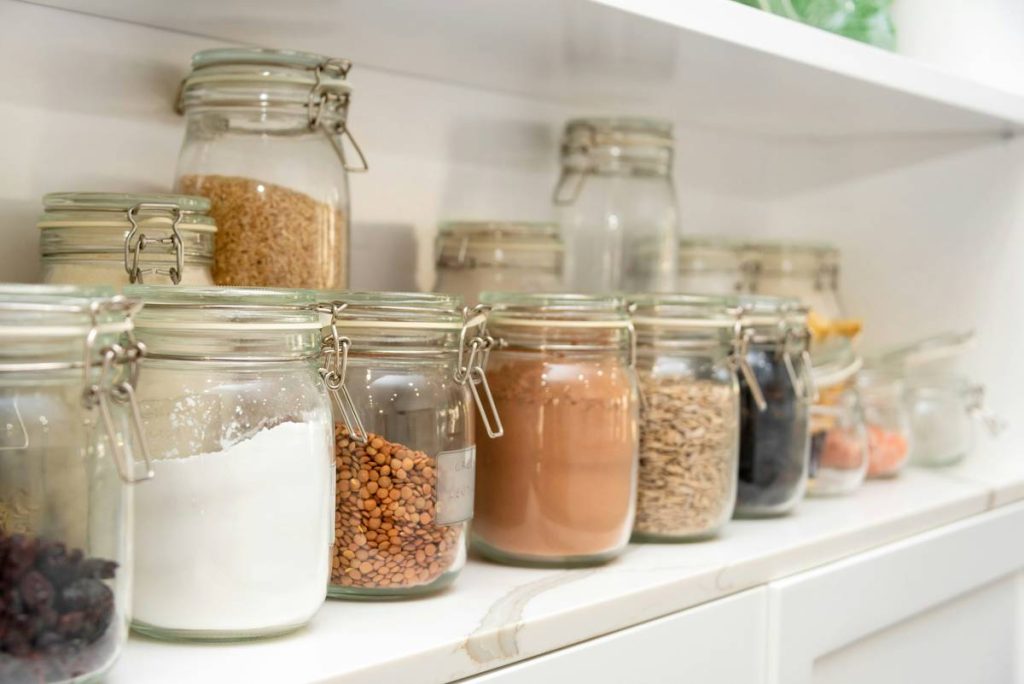
Pull everything out. Toss cracked, discolored, or smelly containers. Keep only glass jars with metal lids for dry goods—they complement silicone beautifully.
Step 2: Choose the Right Sizes
Start with a starter kit: one large (for soups or marinating), two medium (snacks, chopped veggies), and one small (spices, dressings). Avoid gimmicky shapes—flat, zip-top styles seal better and stack efficiently.
Step 3: Master the Seal
Ensure the sealing track is clean and dry before closing. Press firmly from one end to the other—don’t just pinch the middle. A weak seal means leaks in your lunchbox or freezer.
Best Practices for Long-Lasting Use
- Never use sharp utensils inside: Punctures are permanent. Scoop food out gently with a silicone or wooden spoon.
- Air-dry completely before storing: Trapped moisture breeds mold. Hang them upside-down on a drying rack or prop open with a chopstick.
- Freezer-safe ≠ microwave-safe without checking: Some brands tolerate both; others don’t. Always read labels.
- Avoid the dishwasher’s heated dry cycle: High heat can warp seals over time. Top-rack wash only, air dry.
And here’s a terrible tip I’ve heard: “Just toss them in with metal pans!” Nope. Abrasive contact dulls the surface and weakens integrity. Treat them like your favorite cutting board—not your cast iron skillet.
Real Results from Real Kitchens
Last year, a family of four in Portland tracked their waste after switching to silicone eco home food containers. Over six months, they eliminated 217 single-use plastic bags and 48 takeout containers. Their trash output dropped by 30%—verified through weekly weigh-ins documented in a U.S. EPA case study.
My own kitchen saw similar gains. Since adopting certified silicone bags, I’ve saved roughly $120 annually on disposable storage—and avoided that greasy-residue nightmare. Plus, they’re freezer-to-boiling-water versatile; I’ve even used them as impromptu piping bags for frosting cupcakes. (Yes, really.)
For more on our standards and sourcing ethics, see our Privacy Policy—we never share user data, especially when you contact us with product questions.
Frequently Asked Questions
Are silicone food storage bags safe for hot liquids?
Yes—if made from platinum-cured, food-grade silicone. They typically withstand temps from -40°F to 400°F. Always confirm with manufacturer specs.
Can you compost silicone bags?
No. Silicone is not biodegradable, but it’s highly durable and recyclable through specialized programs like TerraCycle. Their longevity makes them eco-friendly despite not being compostable.
Do eco home food containers save money long-term?
Absolutely. A quality set costs $25–$40 but replaces hundreds of single-use bags. Most last 3–5 years with proper care—returning savings within months.
How do they compare to glass containers?
Glass wins for rigidity and odor resistance, but silicone excels in portability, drop-proof durability, and space efficiency. Use both strategically!
Conclusion
Making the leap to eco home food containers isn’t just about reducing waste—it’s about reclaiming peace of mind in your kitchen. No more mystery smells, warped lids, or guilt over landfill contributions. With the right approach, your switch to silicone becomes effortless, economical, and genuinely sustainable. Ready to upgrade? We’d love to hear your story—reach out anytime.
Stash the plastic. Seal the deal. Eat well, waste less.