You bought “eco friendly food storage containers” to shrink your carbon footprint. But now you’re wrestling with cracked plastic, funky smells, and lids that vanish like socks in a dryer. The promise of sustainability feels hollow—because most solutions just swap one problem for another. There’s a smarter way: reusable silicone food storage bags that actually last, seal tight, and won’t poison your leftovers.
The Disposable Illusion
Most so-called eco friendly food storage containers are still rooted in linear thinking: buy, use, discard. Even “BPA-free” plastics degrade within months. Glass jars? Heavy, breakable, and energy-intensive to produce. And those cute beeswax wraps? They absorb odors, can’t handle liquids, and die after 6–12 months. Sustainability isn’t about swapping materials—it’s about eliminating waste at the source. Reusables must survive hundreds of cycles to matter. Few do.
Your Step-by-Step Shift to Real Sustainability
Assess Your Current Kitchen Waste
Open your pantry. Count single-use zip bags, takeout containers, and cracked Tupperware. That pile represents not just trash—but repeated spending and microplastic leakage into your food.
Choose High-Performance Silicone Bags
Not all silicone is equal. Look for food-grade platinum-cured silicone—not cheaper peroxide-cured alternatives that leach odors and degrade faster. These bags withstand freezing, boiling, and dishwashing without warping.
Master the Seal & Clean Routine
Rinse immediately after use. Air-dry upside down on a rack. Store flat or rolled—not stuffed—to preserve seal integrity. A well-maintained bag lasts 3–5 years. That’s over 1,000 uses.
| Storage Method | Upfront Cost | Lifespan (Uses) | End-of-Life Impact |
|---|---|---|---|
| Single-Use Plastic Bags | $0.05 each | 1 | Centuries to decompose; microplastics everywhere |
| “Eco” Plastic Containers | $8–$15 | 50–100 | Downcycled once—if recycled at all |
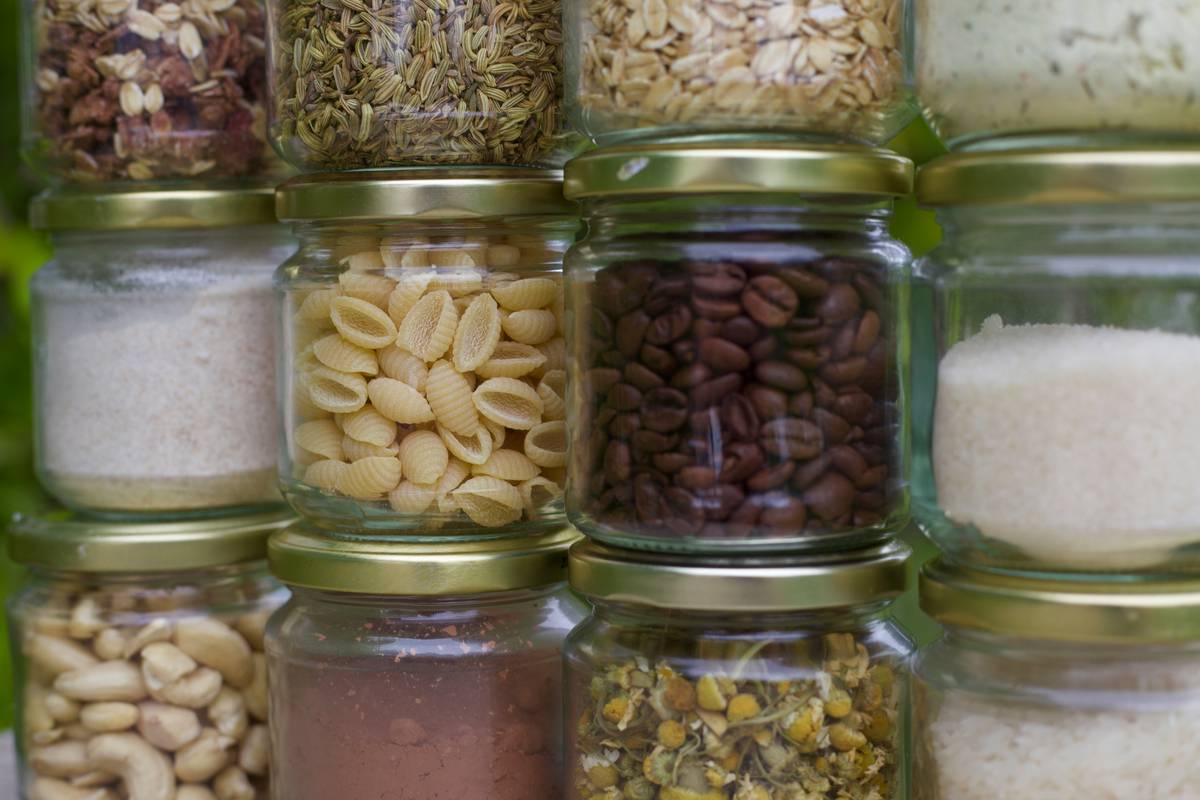
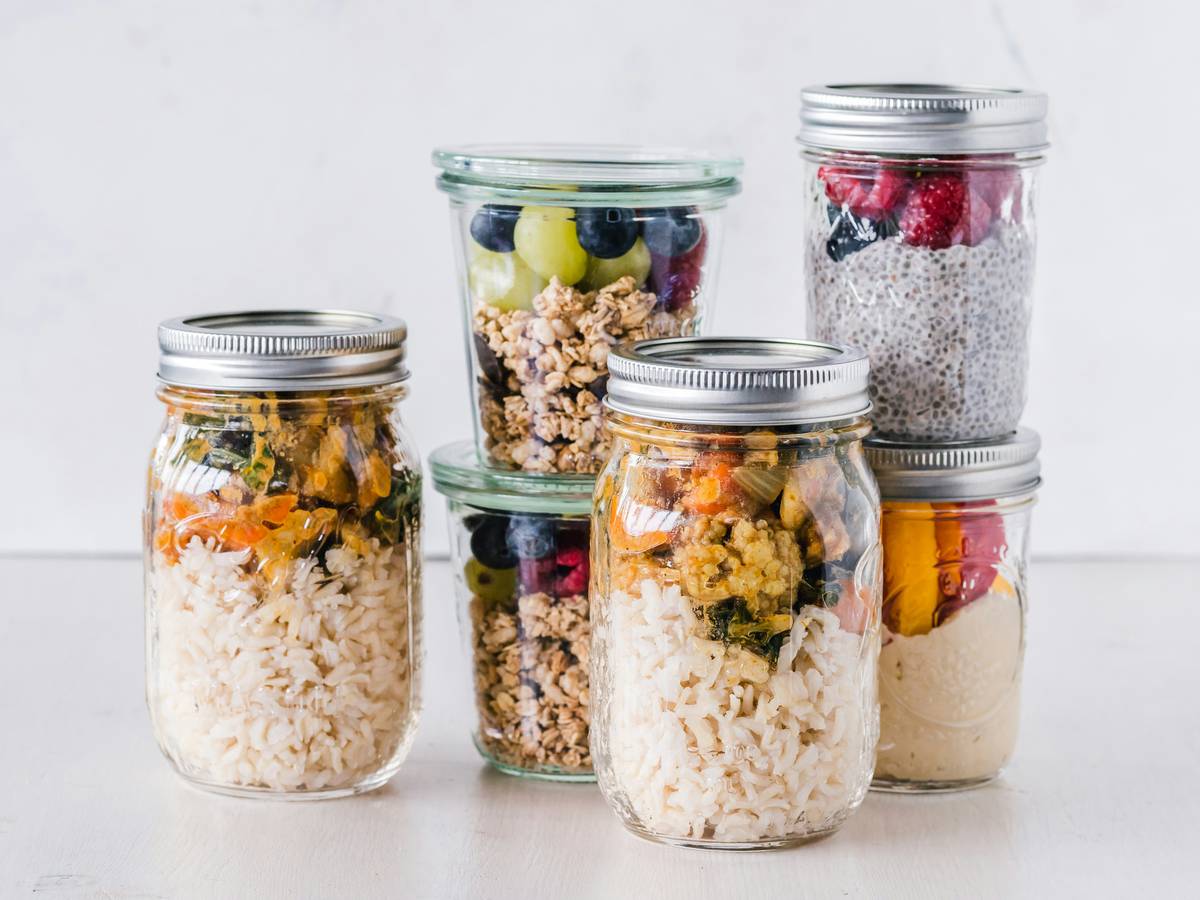
| Glass Jars (Repurposed) | $0 (free from pantry) | 200+ | Recyclable but energy-heavy to remelt |
| Platinum Silicone Bags | $12–$20 | 1,000+ | Incinerated cleanly or returned to specialty recyclers |
The Industry Secret No One Talks About
Silicone bag brands quietly rely on a loophole: calling products “recyclable” when municipal facilities can’t process them. Here’s the truth—silicone isn’t recyclable curbside. But top-tier brands like Stasher and ZipTop partner with TerraCycle for free mail-back programs. Better yet? Buy from companies that offer lifetime warranties. If it cracks, they replace it—keeping material in use, not landfills. That’s circularity, not greenwashing.
Frequently Asked Questions
Are silicone food storage bags truly eco-friendly?
Yes—if made from platinum-cured silicone and used 500+ times. Their longevity offsets manufacturing impact. Avoid cheap imitations.
Can you microwave eco friendly food storage containers made of silicone?
Absolutely. High-quality silicone bags are microwave-safe, freezer-safe, and oven-safe up to 400°F. Just open the seal slightly to vent steam.
How do silicone bags compare to glass for food safety?
Both are inert and non-toxic. Silicone wins for portability, drop resistance, and space efficiency. Glass wins for zero odor retention. Use both strategically.