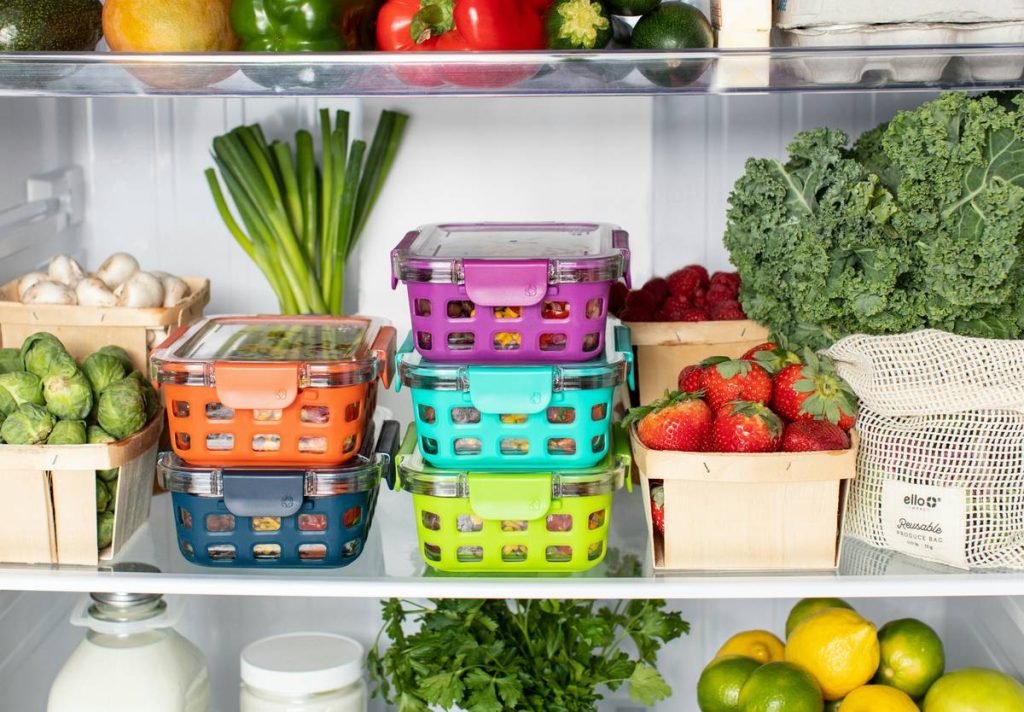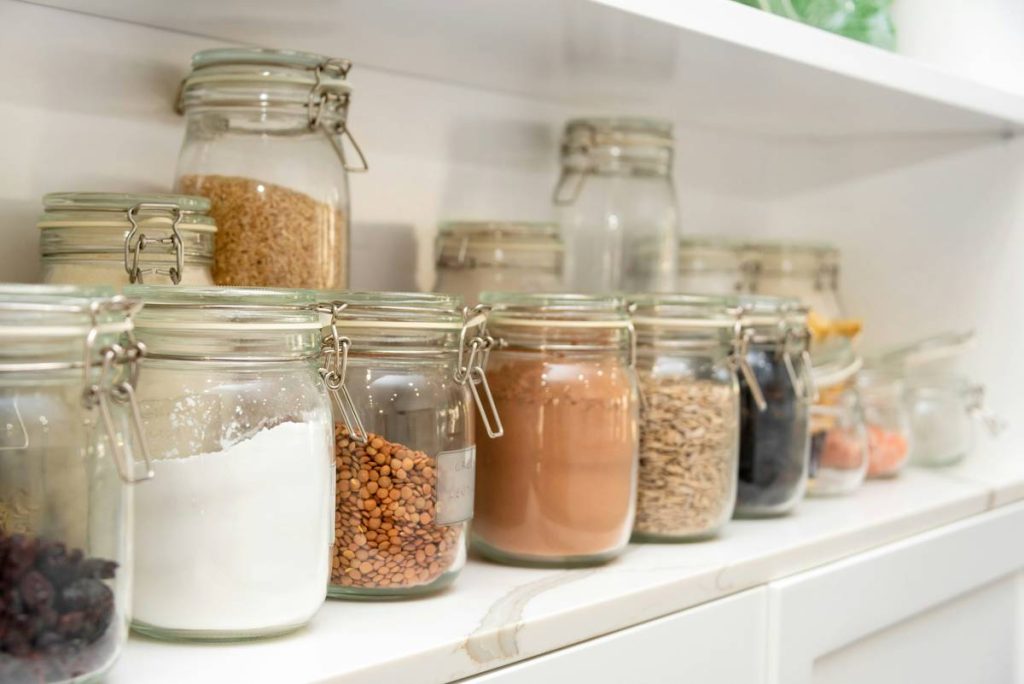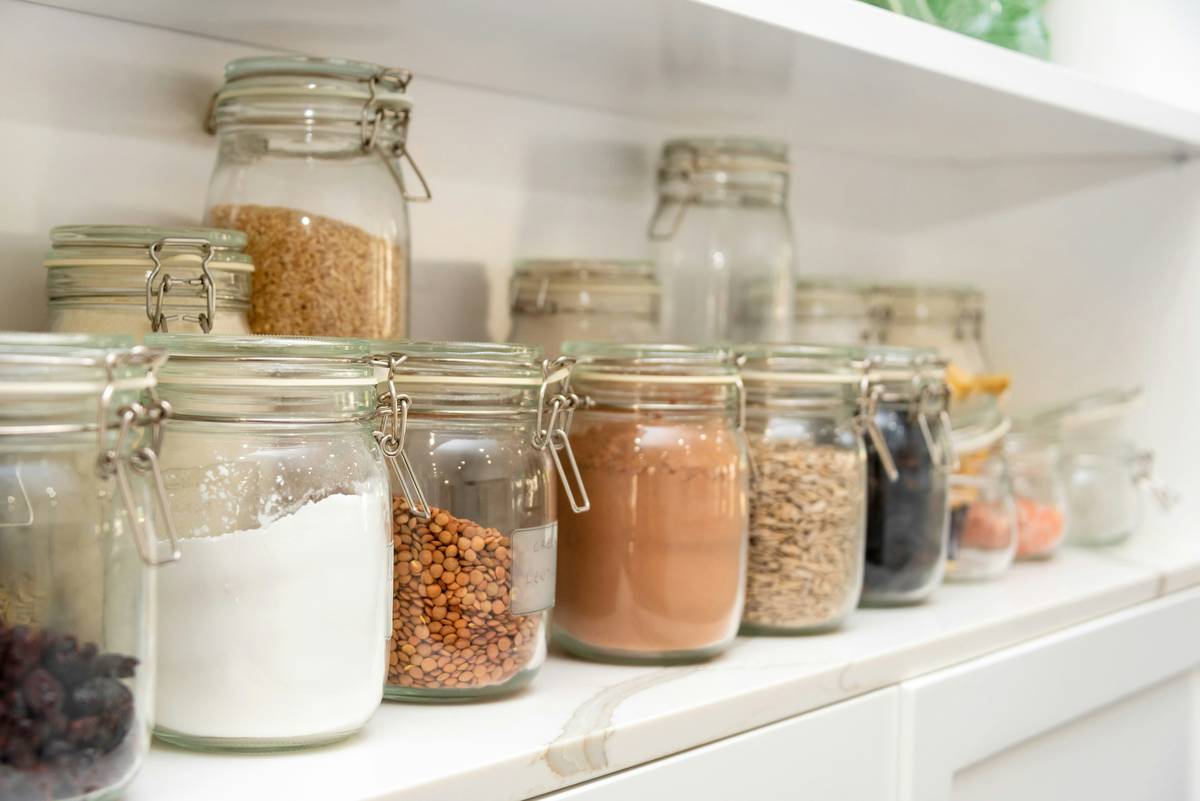
Every week, your fridge leaks plastic waste like a sieve—ziplock bags tossed after one use, cling film torn off in frustration, containers cracked beyond repair. You’re trying to be eco-conscious, but the system fights you. Here’s the fix: shift to truly sustainable food storage methods that cut waste without sacrificing convenience.
Why Your Current Food Storage Is Failing the Planet (and Your Pantry)
Most “eco-friendly” swaps are half-measures. Beeswax wraps dry out in winter. Glass jars shatter on granite counters. Paper bags turn soggy with carrot sticks. And those flimsy reusable pouches? They mold faster than forgotten yogurt.
The real issue isn’t intent—it’s material science mismatch. Storing acidic tomato sauce in metal tins corrodes them. Freezing liquids in rigid containers risks explosions. Even “compostable” bioplastics need industrial facilities most cities don’t have.
You need flexibility—not dogma.
Building a Zero-Waste Kitchen with Smart Sustainable Food Storage Methods
Forget all-or-nothing thinking. Start with systems that adapt to your actual meals—not Pinterest fantasies.
Selecting the Right Material for Each Task
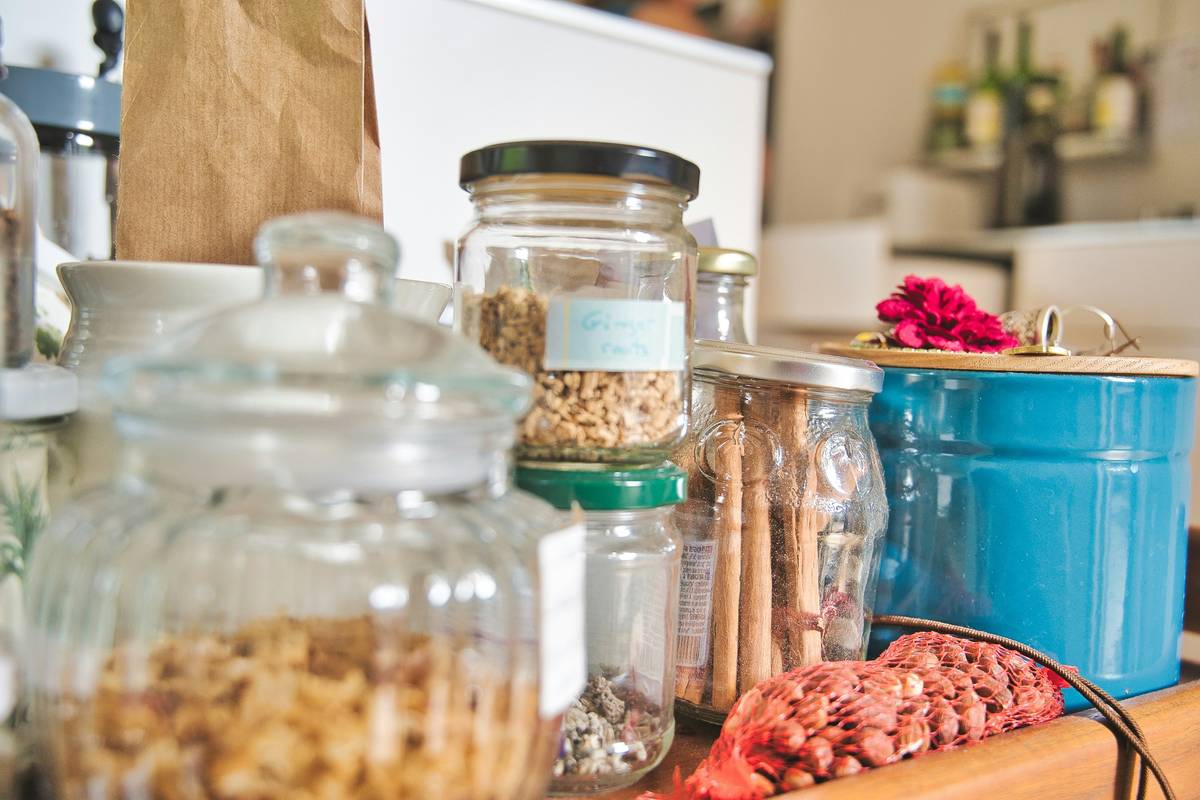
Silicone excels with wet, oily, or frozen foods—it’s inert, flexible, and seals tightly. Glass wins for pantry dry goods and microwave reheating. But never force one solution everywhere. Match the tool to the job.
Proper Cleaning to Extend Lifespan
Rinse immediately after use. Avoid abrasive scrubbers—they micro-scratch surfaces, creating bacterial hideouts. For stubborn odors (looking at you, garlic), soak in baking soda + vinegar for 15 minutes. Air-dry fully before sealing to prevent mildew.
Storage Hierarchy for Maximum Efficiency
Stack flat when empty. Hang filled bags on hooks inside cabinet doors. Keep lids organized in drawer dividers. Chaos breeds abandonment—make reuse effortless.
| Method | Best For | Upfront Cost | Lifespan (Avg.) | End-of-Life |
|---|---|---|---|---|
| Food-grade silicone bags | Soups, marinades, freezer meals, snacks | $12–$25/set | 3–5 years | Recyclable via specialty programs |
| Tempered glass containers | Leftovers, meal prep, dry goods | $20–$40/set | 7–10+ years | Infinitely recyclable curbside |
| Beeswax wraps | Cheese blocks, bread, bowl covers | $15–$30/set | 6–12 months | Compostable (cut into strips) |
The Industry Secret Big Brands Don’t Want You to Know
Most “premium” silicone bags aren’t pure platinum-cure silicone—they blend cheaper fillers to cut costs. These degrade faster, leach odors, and fail freezer tests. Here’s how to spot the real deal: pinch the bag. If it turns white under pressure, it’s loaded with calcium carbonate filler. True platinum silicone stays translucent. Also, check if the seal passes the water inversion test—fill, seal, flip. No drips = engineering integrity.
And here’s the kicker: you don’t need branded sets. Many independent makers on Etsy or niche eco-stores offer lab-certified, filler-free bags at half the price. One small-batch producer even offers lifetime replacements if seals fail. Loyalty shouldn’t cost a premium.
Frequently Asked Questions
Are silicone food storage bags truly eco-friendly?
Yes—if made from pure platinum-cure silicone. They last thousands of uses, reduce single-use plastic, and avoid microplastic shedding. Just ensure proper end-of-life recycling.
Can I put silicone bags in the microwave or dishwasher?
Absolutely. High-quality silicone handles temps from -40°F to 450°F. Top-rack dishwasher safe—though handwashing extends seal life. Never use under direct broiler flames.
How do silicone bags compare to glass for sustainability?
Glass wins on infinite recyclability. But silicone bags win on weight (lower shipping emissions), drop resistance, and space efficiency. Use both—silicone for liquids/freezer, glass for solids/pantry.
Stop chasing perfection. Start building a resilient, adaptable system that fits your real life. Grab a set of verified pure-silicone bags, pair them with durable glass, and ditch disposables for good. Your future self—and your trash can—will thank you.