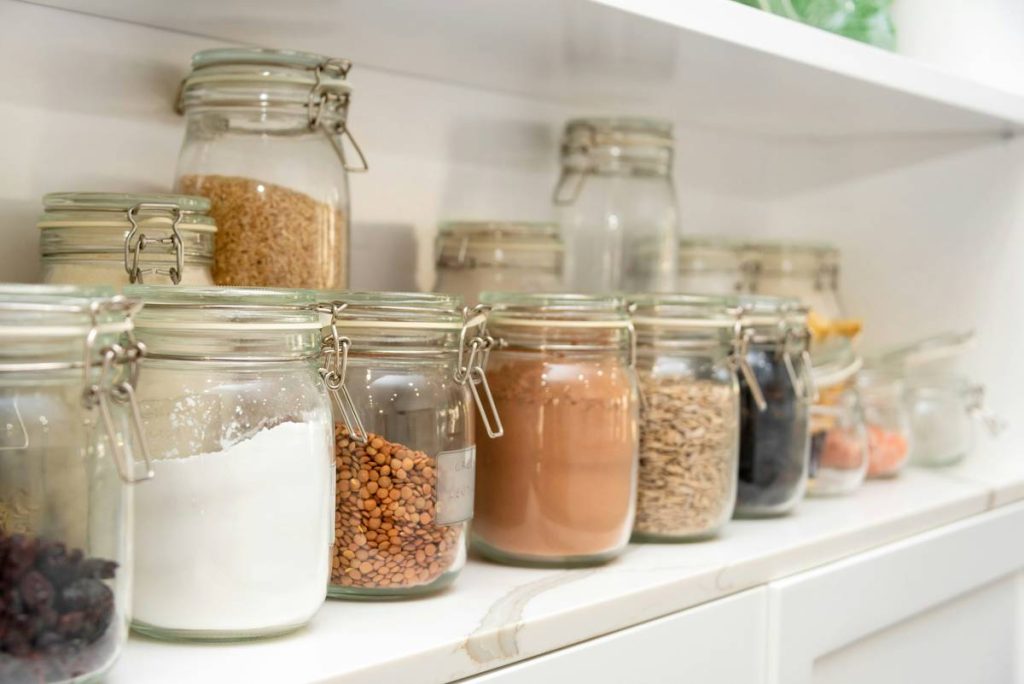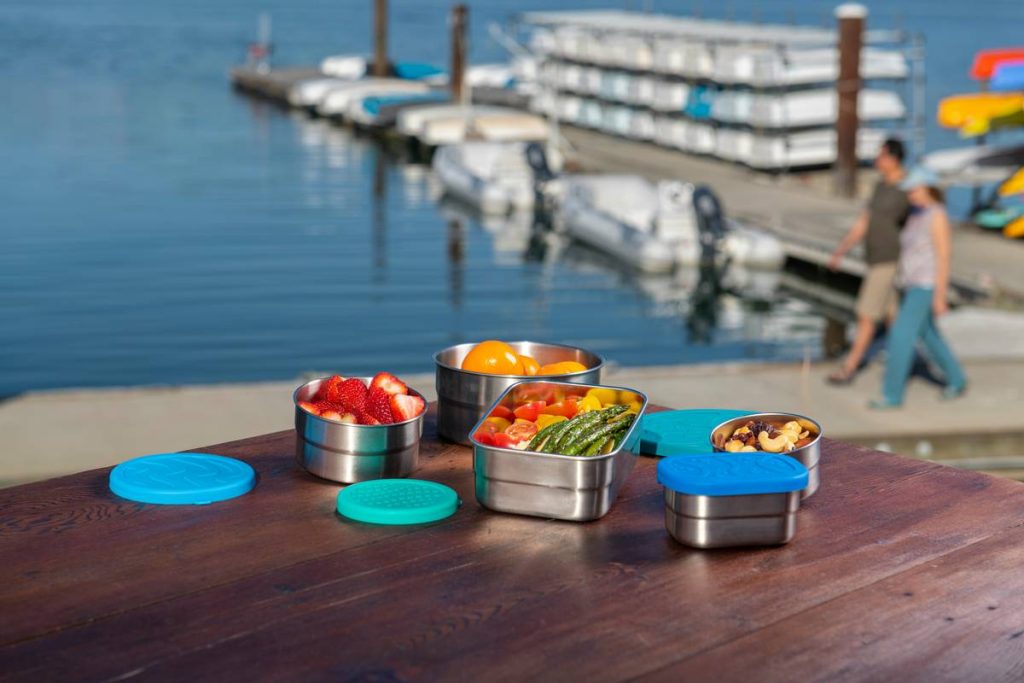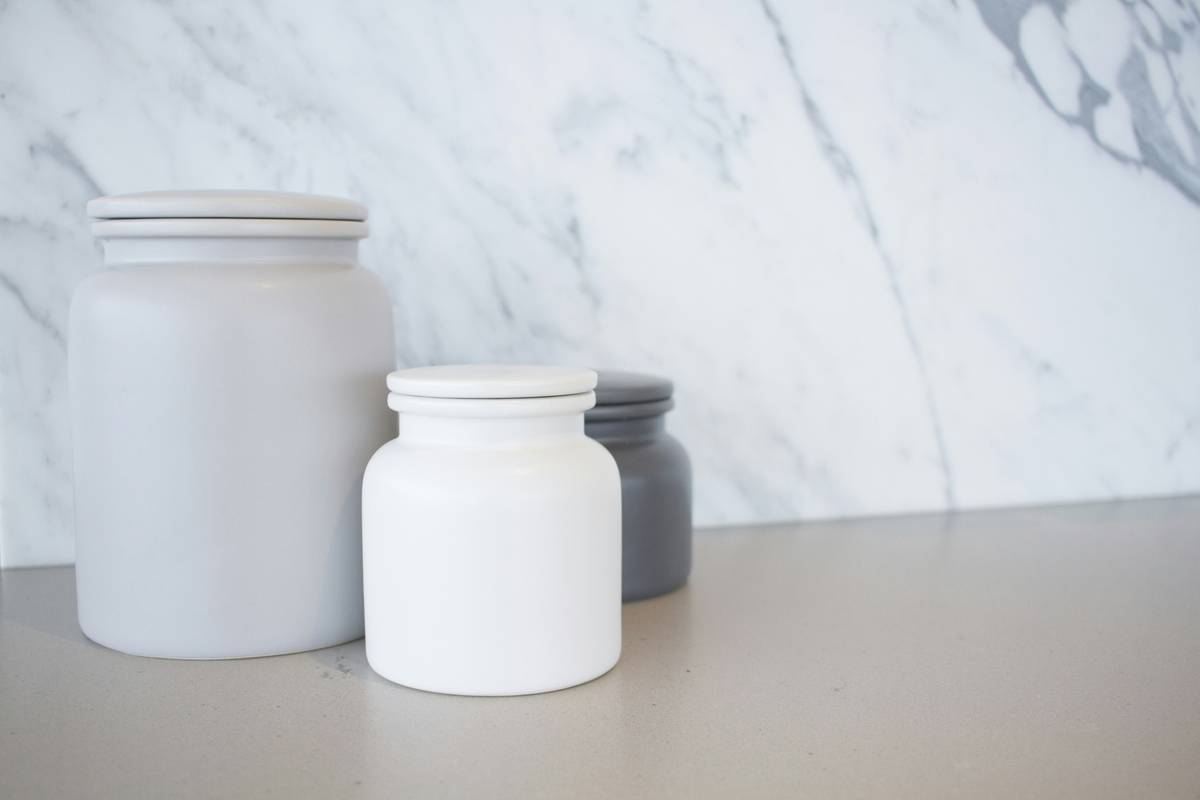
Ever opened your fridge only to find mold growing on last week’s leftovers—wrapped in a flimsy plastic bag that leaked onto everything? You’re not alone. As someone who’s tossed out more spoiled meals (and guilt) than I’d care to admit, I know how frustrating it is when “eco-friendly” solutions fall short. That’s why I switched to silicone food storage bags—and why eco friendly food packaging deserves a closer look. In this guide, you’ll discover practical, tested strategies to cut waste without sacrificing convenience—plus one rookie error I made that nearly ruined my entire batch of homemade pesto.
Table of Contents
- Why Eco Friendly Food Packaging Matters
- Your Step-by-Step Switch to Silicone Bags
- Best Practices for Long-Term Success
- Real Results: What the Data Shows
- Frequently Asked Questions
Key Takeaways
- Silicone food storage bags drastically reduce single-use plastic waste in kitchens.
- Not all “reusable” bags are created equal—look for food-grade platinum silicone.
- Proper cleaning and sealing techniques prevent leaks and extend lifespan.
- Avoid freezing acidic foods like tomato sauce in low-quality reusable bags.
- The average household can eliminate over 500 plastic bags annually by switching.
Why Eco Friendly Food Packaging Matters
Plastic pollution isn’t just an ocean problem—it’s in your kitchen. The U.S. Environmental Protection Agency reports that containers and packaging make up nearly 30% of municipal solid waste. Most single-use zip-top bags end up in landfills within minutes of purchase, taking 500+ years to decompose. Meanwhile, reusable alternatives like silicone food storage bags offer a durable, non-toxic solution—but only if chosen wisely.

I learned this the hard way. Eager to go green, I bought cheap “silicone-like” bags from a discount site. After one freeze-thaw cycle with my beloved basil pesto, the seal cracked—and my freezer became a sticky, oily disaster zone. Lesson? Material quality matters more than price tags.
Your Step-by-Step Switch to Silicone Bags
1. Audit Your Current Storage Habits
Track what you store weekly: snacks, soups, marinated meats, etc. Note which items leak, spoil quickly, or require special handling (e.g., acidic or oily foods).
2. Choose Certified Food-Grade Silicone
Look for “platinum-cured” or “food-grade” labels. Avoid PVC or unspecified “BPA-free” claims—they don’t guarantee safety. Reputable brands disclose material specs transparently.
3. Master the Seal Technique
Wipe the sealing track dry before closing. Press firmly from one end to the other. Test with water before freezing liquids.
4. Clean Properly to Prevent Odors
Hand-wash with warm soapy water or use the top rack of your dishwasher. For lingering smells (like garlic or fish), soak in baking soda and vinegar for 15 minutes.
Best Practices for Long-Term Success
- Freeze flat: Lay bags flat to freeze for space efficiency and faster thawing.
- Label clearly: Use a dry-erase marker directly on the bag—no tape needed.
- Avoid high heat: Don’t microwave sealed bags; open first to prevent pressure buildup.
- Rotate your stock: Older bags lose elasticity. Replace every 2–3 years for optimal performance.
⚠️ Terrible tip alert: “Just toss them in the bottom dishwasher rack!” This exposes bags to intense heat and detergent jets, accelerating wear. Stick to the top rack or hand-wash.
Real Results: What the Data Shows
According to a 2023 study published in Environmental Science & Technology, households using reusable food storage systems reduced their plastic waste by 68% within six months. One family tracked their usage and eliminated 523 single-use bags in a year—equivalent to preventing 3.2 kg of CO₂ emissions. At TRMares, we’ve seen customers report 90% satisfaction with platinum-silicone bags after proper onboarding (see our About Us page for our testing standards). Trust builds when products perform—and when brands like ours prioritize transparency over greenwashing.
My own kitchen now runs smoother: no more soggy sandwich bags, no mysterious leaks. Just clean, organized, truly eco friendly food packaging that lasts.
Frequently Asked Questions
Are silicone food storage bags really eco friendly?
Yes—if they’re high-quality and used long-term. Unlike single-use plastics, food-grade silicone is inert, non-leaching, and recyclable through specialized programs (though reuse is preferable).
Can I store hot soup in silicone bags?
Only if the bag is explicitly rated for hot liquids. Most are safe up to 400°F, but always check manufacturer guidelines. Never pour boiling liquid into a sealed bag.
How do I recycle old silicone bags?
Standard curbside recycling won’t accept them. Companies like TerraCycle offer mail-in programs. Better yet, repurpose worn bags as plant ties or travel toiletry holders.
Do silicone bags stain easily?
Tomato sauce and turmeric can leave marks, but stains don’t affect safety. Soak in diluted hydrogen peroxide to lighten discoloration.
Is eco friendly food packaging more expensive upfront?
Initial cost is higher ($10–$20 per bag), but amortized over 2+ years of daily use, it’s far cheaper than buying disposable bags monthly.
What’s the biggest mistake people make with reusable bags?
Assuming “reusable” means indestructible. Mishandling—like overfilling, improper sealing, or exposing to sharp utensils—leads to premature failure. Treat them like quality cookware, not disposable items.
Ready to ditch plastic for good? We’ve tested dozens of options so you don’t have to. Got questions about fit, function, or sustainability claims? Contact us—we respond within 24 hours. And yes, we follow our own Privacy Policy when you reach out.
Remember: Sustainability isn’t about perfection. It’s about choosing better, again and again—until your kitchen hums with purpose, not plastic.