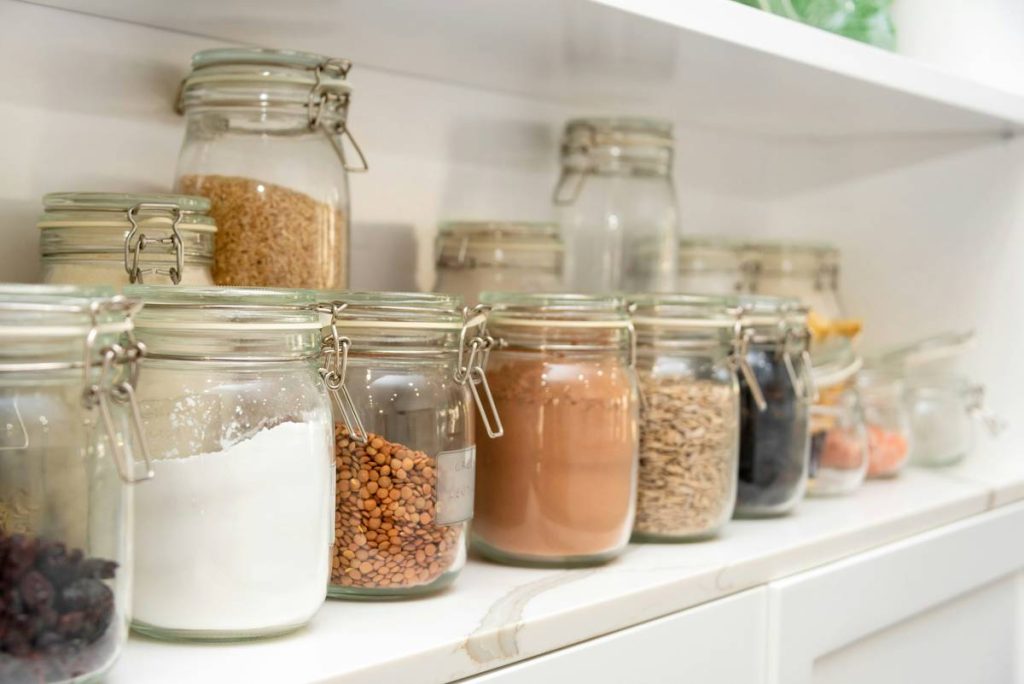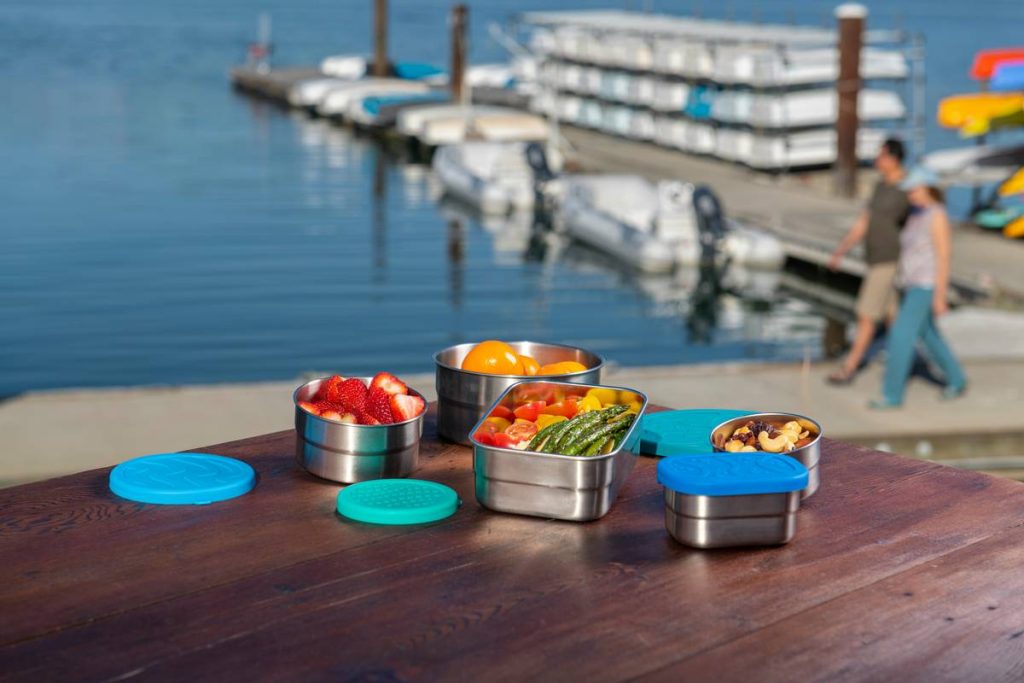
Every time you grab a plastic bag or container, you’re adding to a global waste crisis that won’t biodegrade for centuries. The kitchen—the heart of the home—has become ground zero for single-use pollution. What if your leftovers didn’t cost the earth? Enter reusable, non-toxic, truly sustainable alternatives: eco food storage containers that actually work.
Why Your “Recyclable” Kitchen Habits Are Failing
Most households toss food scraps into flimsy plastic bags labeled “recyclable.” But here’s the dirty secret: only 9% of all plastic ever made has been recycled. The rest? Buried, burned, or bobbing in oceans. And those rigid plastic tubs? Many contain BPA or phthalates that leach into food when heated—or even stored long-term.
Silicone and glass options exist—but not all are created equal. Cheap silicone often includes fillers that degrade fast, crack, or emit odors. Meanwhile, glass is heavy, breakable, and rarely seals well without bulky lids. You’re left choosing between convenience and conscience. Neither should be compromised.
How to Choose & Use Eco Food Storage Containers That Last
Transitioning isn’t about buying everything at once. It’s about strategic swaps backed by performance data—not marketing fluff.
Material Matters More Than You Think
Platinum-cure silicone is the gold standard. Unlike peroxide-cured alternatives, it’s purer, more durable, and odor-resistant. Look for FDA- or LFGB-certified products—these undergo rigorous safety testing. Avoid anything labeled “BPA-free” as a sole selling point; that’s just table stakes now.
Cleanability = Longevity
If it can’t survive the dishwasher or stink after storing garlic, it’s dead weight. Flip-top lids with wide openings win over narrow spouts every time. Seamless interiors prevent gunk buildup. Pro tip: soak stained bags in baking soda + vinegar before washing—they’ll rebound like new.
Freezer-to-Oven Versatility Isn’t Optional
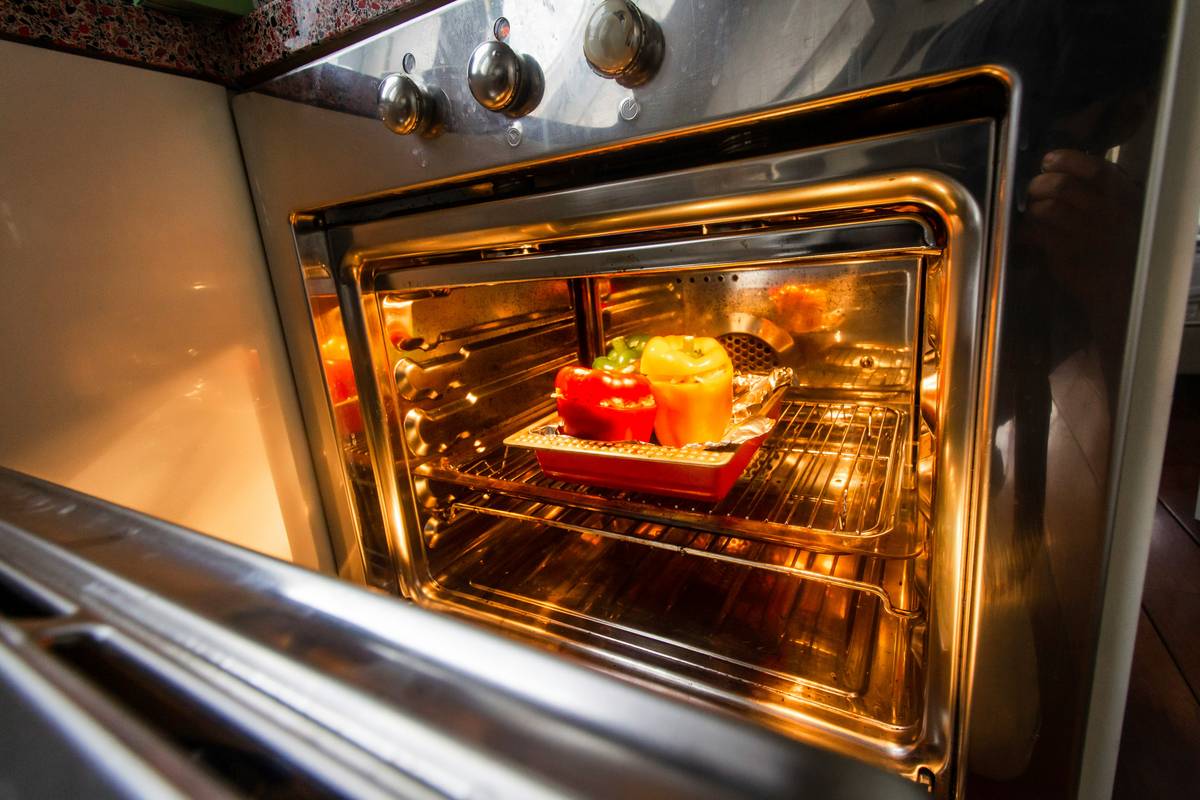
Your container should handle -40°F to 400°F without warping. Test this: freeze soup overnight, then pop it straight into a preheated oven (lid off). If it cracks or smells burnt, return it.
| Storage Type | Upfront Cost | Lifespan (Est.) | True Eco-Impact |
|---|---|---|---|
| Single-Use Plastic Bags | $0.05/unit | 1 use | High pollution, microplastic shedding |
| Reusable Plastic Tubs | $3–$8 | 6–18 months | Moderate—degrades, may leach chemicals |
| Eco Food Storage Containers (Platinum Silicone) | $12–$20 | 5+ years | Low—fully inert, endlessly reusable |
| Glass with Silicone Lids | $8–$15 | 3–7 years | Low—but higher transport emissions due to weight |
The Industry Secret: Not All “Reusable” Bags Are Recyclable
Here’s what brands won’t tell you: most silicone food bags can’t be recycled curbside—even if they last five years. Once worn out, they head to landfill unless you mail them back to specialized programs (which barely exist). The real sustainability hack? Buy fewer, higher-quality units and treat them like heirlooms. A set of four premium silicone bags used daily for five years replaces over 2,000 plastic ones. That math beats any take-back scheme.
And—don’t fall for pastel colors. Darker dyes often indicate lower-grade silicone. Stick to translucent or white; purity shows through clarity.
Frequently Asked Questions
Are silicone food storage bags safe for hot liquids?
Yes—if they’re platinum-cure. They withstand boiling water and sous vide temps. Never use peroxide-cured silicone above 180°F.
Can I put eco food storage containers in the microwave?
Most platinum silicone bags are microwave-safe (lid off). Always check manufacturer specs. Glass options usually are—but avoid metal-trimmed lids.
How do I remove stubborn odors from reusable bags?
Soak in equal parts water and white vinegar for 1 hour. Add baking soda for extra punch. Sun-drying also neutralizes smells naturally.