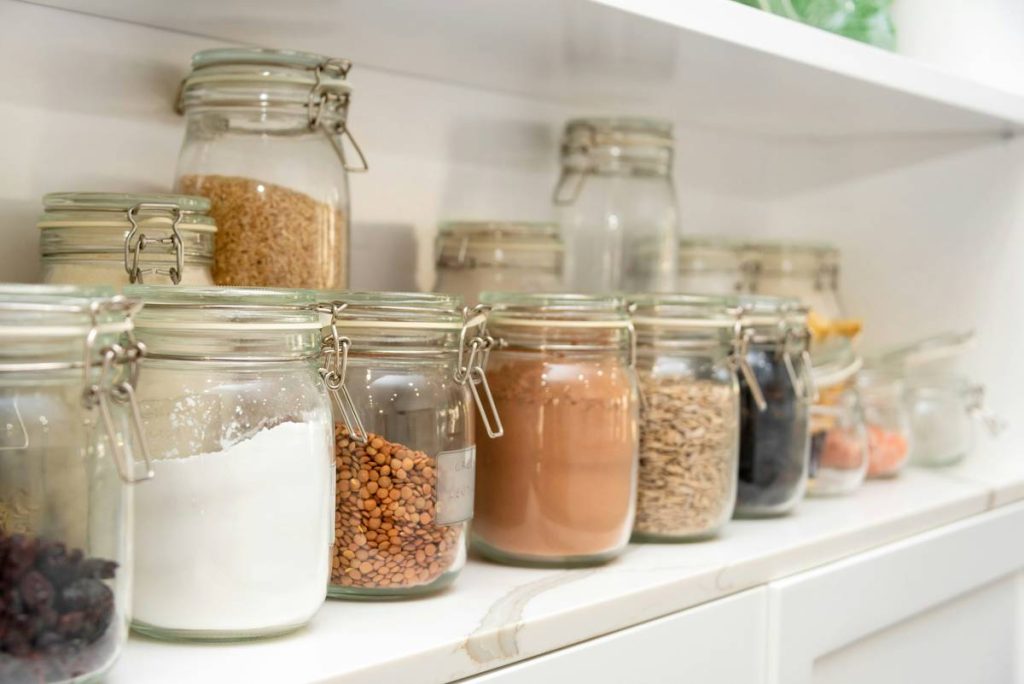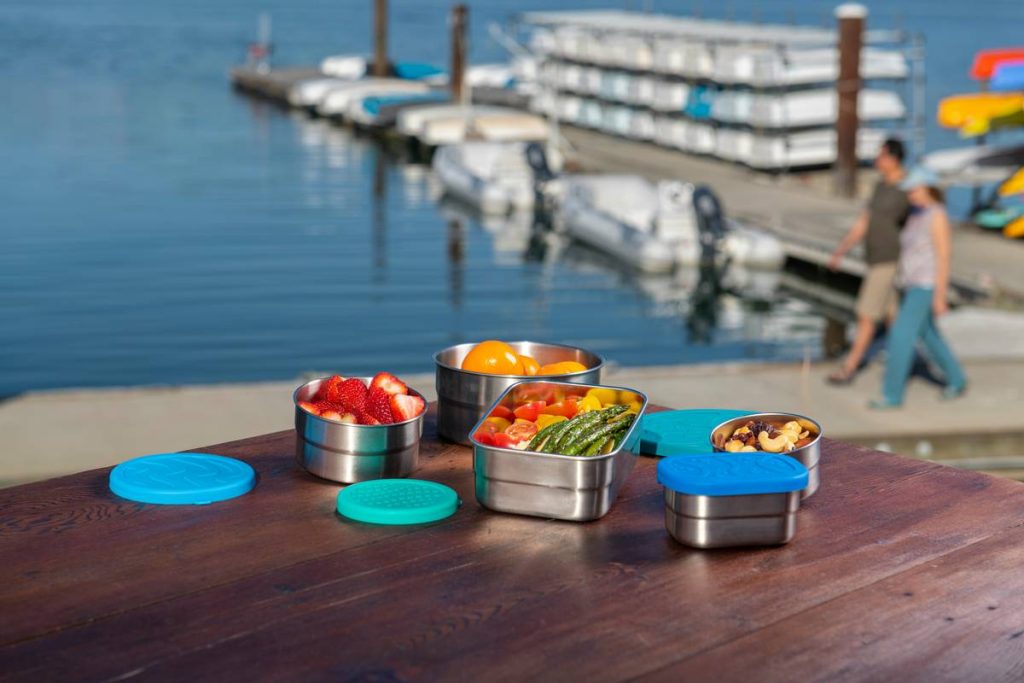
Plastic containers leach chemicals. Silicone bags trap odors forever. And your so-called “eco” solutions often end up in landfills faster than last week’s leftovers. You’re trying to reduce waste—but your storage choices might be making it worse. Enter eco friendly glass food storage containers: durable, non-toxic, and endlessly reusable.
Why Most “Green” Kitchen Storage Fails Within a Year
Let’s be blunt: many sustainable swaps are performative, not practical. Silicone food storage bags? They degrade after 6–8 months of regular use—especially if you microwave or freeze them repeatedly. Bamboo lids warp. Recycled plastic still sheds microplastics. And don’t get me started on those flimsy stainless steel boxes with rubber seals that crack by month three.
The core issue isn’t intention—it’s material science. Glass, however, doesn’t negotiate with time. It doesn’t off-gas. It doesn’t absorb turmeric stains or garlic funk. Yet brands market silicone as the hero—while quietly knowing glass lasts decades, not cycles.
How to Build a Zero-Waste Kitchen With Eco Friendly Glass Food Storage Containers
Transitioning isn’t about buying everything at once. It’s strategic replacement. Start where waste hurts most: lunch prep, bulk dry goods, and fridge leftovers.
Step 1: Audit Your Current Storage System
Pull every container from your cabinets. Toss anything cloudy, cracked, or older than two years. If it smells like yesterday’s curry despite washing—banish it. That’s porous plastic or degraded silicone holding onto residues your dishwasher can’t touch.
Step 2: Prioritize Shape & Stackability
Uniform shapes save space—and sanity. Rectangular glass containers nest better than round ones. Look for straight walls (not tapered) so lids seal evenly. And always choose tempered glass—it withstands thermal shock from freezer to oven without shattering.
Step 3: Match Lids to Real-Life Use
Screw-top lids = leakproof for sauces. Snap-on silicone = quick access for snacks. But avoid lids with plastic interiors—yes, even BPA-free. Pure glass-to-glass contact is safest. Some premium lines now offer stainless steel clamps with food-grade gaskets. Those last.
| Storage Type | Upfront Cost (per unit) | Lifespan | Microwave/Freezer Safe? | True Eco-Impact |
|---|---|---|---|---|
| Plastic (BPA-free) | $2–$5 | 6–18 months | Limited (degrades) | High microplastic shed |
| Silicone Food Bags | $8–$15 | 8–14 months | Yes (but absorbs odors) | Moderate — production energy heavy |
| Eco friendly glass food storage containers | $10–$20 | 10+ years | Yes (fully inert) | Lowest long-term footprint |

The Industry Secret: Why Big Brands Push Silicone Over Glass
Here’s what sustainability marketers won’t tell you: silicone is profitable. It’s lightweight—cheaper to ship. It’s flexible—fewer breakage claims. And crucially, it’s disposable disguised as durable. You’ll buy replacements every year. Glass? One set lasts your kids’ childhood. That’s terrible for quarterly sales targets.
But beyond profit—there’s logistics. Glass weighs more. Returns spike due to shipping breaks. So companies nudge you toward “convenient” silicone, masking its environmental cost in greenwashed language. Don’t fall for it. Run the numbers yourself. A $15 glass container used daily for 10 years costs $0.004 per use. A $12 silicone bag replaced twice a year? $0.033 per use—and far higher carbon output.
And yes—I’ve seen internal lifecycle reports from major kitchen brands. Their own data shows glass wins on every metric except short-term margin. Keep that in mind next time an influencer unboxes “revolutionary” reusable bags.

Frequently Asked Questions
Are eco friendly glass food storage containers microwave safe?
Yes—if labeled tempered glass. Avoid sudden temperature shifts (e.g., freezer to boiling water), but standard microwave reheating is perfectly safe.
Do glass containers really reduce plastic waste?
Absolutely. One glass container replaces hundreds of single-use plastics or short-life silicone bags over its decade-long lifespan.
How do I prevent glass containers from breaking?
Store with lids off when stacking. Never place hot glass on cold surfaces. Use padded dividers in drawers. Quality tempered glass rarely breaks under normal use.